
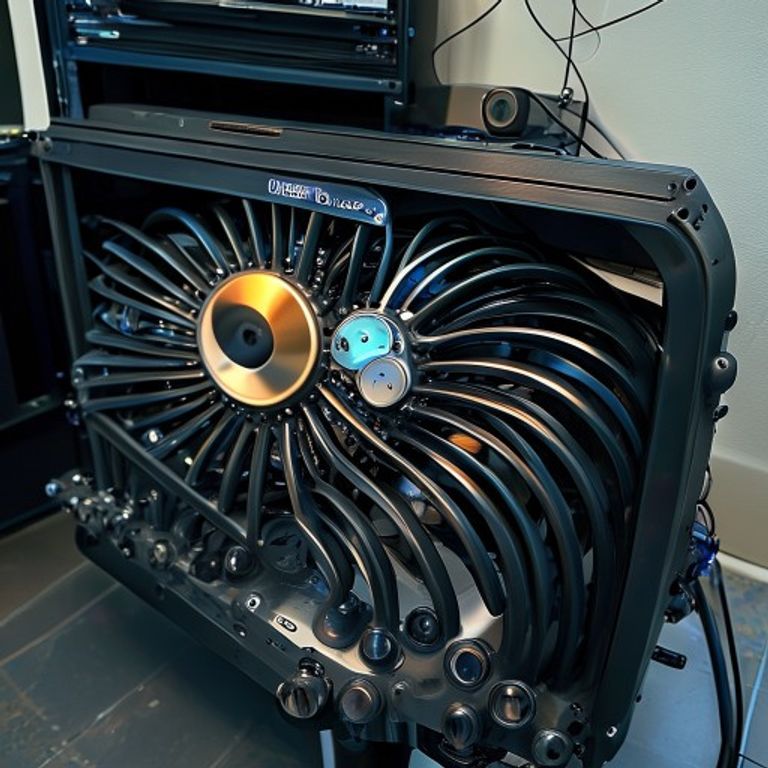
liquid-to-air heat exchanger
In the world of high-performance computing, managing thermal output is the primary hurdle to achieving maximum clock speeds. A liquid-to-air heat exchanger, commonly referred to as a radiator in custom water cooling loops, serves as the critical interface where heat energy is transferred from the circulating coolant into the ambient air. Understanding this process is vital for any enthusiast looking to build a stable, high-performance system.
The Physics of Heat Dissipation
The process begins inside the CPU water block, where the coolant absorbs thermal energy generated by the processor. This heated liquid is then pumped through tubing toward the radiator. As the fluid enters the radiator, it is distributed through a series of micro-channels or fins. These fins significantly increase the surface area available for thermal transfer. As ambient air is forced across these fins by fans, the heat is shed into the case environment, cooling the liquid before it returns to the CPU.
Key Factors for Optimal Performance
- Surface Area: The total physical size of the radiator is the most important factor. A 360mm radiator provides more surface area than a 120mm unit, allowing for more efficient heat dissipation.
- FPI (Fins Per Inch): This measurement dictates how dense the fin stack is. High FPI radiators require fans with high static pressure to overcome air resistance, while low FPI radiators perform well with quieter, lower-speed fans.
- Material Composition: Most high-end radiators are constructed from copper or brass, which offer superior thermal conductivity compared to aluminum alternatives.
Why Radiator Placement Matters
Proper airflow configuration is essential. If your liquid-to-air heat exchanger is mounted as an intake, it will provide the coolest air to the radiator, resulting in lower CPU temperatures but potentially warmer air entering the case. If mounted as an exhaust, the radiator will use air already warmed by other components like the GPU. For the absolute best performance, many users prefer a front-intake configuration to ensure the radiator receives the freshest air possible.
Maintenance and Long-term Reliability
Over time, dust accumulation on the fins of a liquid-to-air heat exchanger can significantly impede airflow, leading to higher liquid temperatures and reduced cooling efficiency. It is a critical best practice to use compressed air to clean these fins every few months. Additionally, ensuring that your loop is free of air bubbles is vital, as trapped air pockets can act as insulators, preventing the liquid from making proper contact with the internal heat-dissipating surfaces of the radiator. By maintaining a clean and air-free system, you ensure that your cooling loop remains as effective as the day it was installed.
Pro Tip: Always ensure your fans are configured to pull or push air through the radiator fins with minimal gaps, as air leakage reduces static pressure and lowers overall efficiency.
For a deeper technical understanding of these systems, you can explore the official entries for Computer Cooling and Central Processing Unit (CPU) on Wikipedia.
Explore more in-depth IT and networking guides on our Tech Pick Factory homepage.