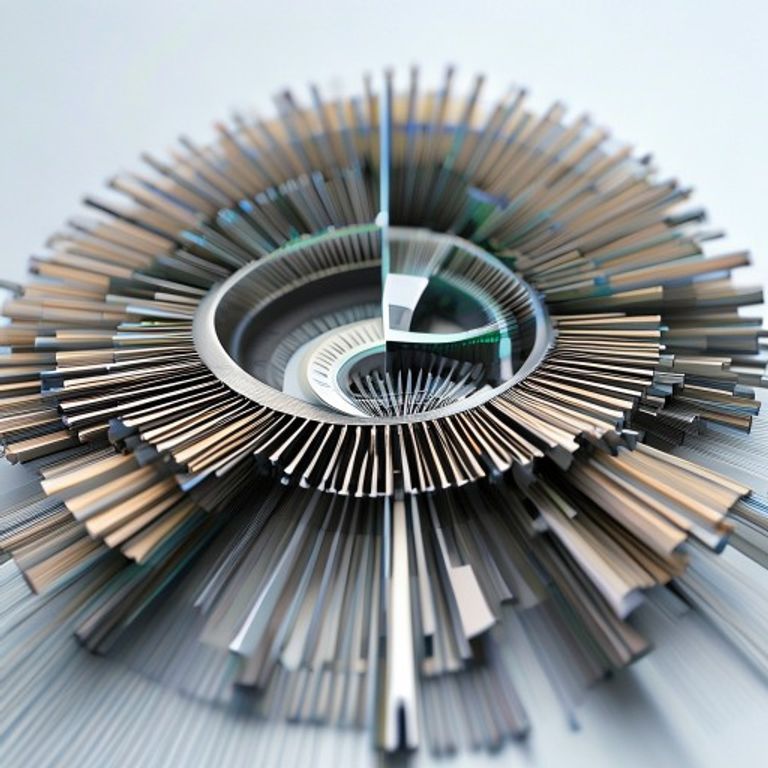
planar magnetic
Planar magnetic technology represents a significant leap forward in personal audio engineering. Unlike traditional dynamic drivers, which utilize a cone or dome attached to a voice coil, planar magnetic headphones employ a thin, flexible diaphragm suspended between two sets of powerful magnets. This sophisticated architecture ensures that the entire surface of the driver moves uniformly when an electrical current is applied, resulting in remarkably low distortion and exceptional transient response. By distributing the driving force across the entire diaphragm, these headphones eliminate the breakup modes common in standard cone-based designs.
The Mechanics of Sound Reproduction
At the heart of the planar magnetic system is a flat, ultra-thin film, often made of specialized polymers, embedded with a conductive trace. When audio signals pass through these traces, the interaction between the current and the magnetic field causes the diaphragm to vibrate. Because the diaphragm is exceptionally lightweight, it can start and stop with incredible precision. This physical agility allows for a level of clarity and micro-detail retrieval that is often difficult to achieve with conventional dynamic drivers. Audiophiles frequently cite this technology for its ability to produce a ‘fast’ sound that feels both transparent and highly revealing.
Comparing Driver Architectures
While dynamic drivers are the industry standard for their manufacturing efficiency and deep bass impact, they rely on a single point of actuation at the center of the voice coil. This can lead to uneven movement across the diaphragm, especially at high volume levels. In contrast, the planar magnetic approach maintains a constant magnetic flux across the entire surface area. This design choice provides a more linear frequency response and a vastly expanded soundstage. Listeners often report that planar magnetic headphones offer a more immersive experience, placing instruments with pinpoint accuracy within a wide, three-dimensional space.
Why Audiophiles Prefer This Tech
Investing in high-end planar magnetic headphones is often considered the definitive upgrade for serious enthusiasts. Beyond the technical specs, the user experience is defined by a lack of coloration and a neutral, balanced presentation. Whether you are mixing audio in a professional studio or enjoying high-resolution lossless tracks at home, the consistency of the planar magnetic driver ensures that the output remains faithful to the original recording. Furthermore, because these drivers are inherently robust, they can handle significant power without the typical compression artifacts that plague cheaper hardware. As you explore this niche, remember that proper amplification is often required to unlock the full potential of these devices, as the large surface area of the drivers can present a challenging load for standard mobile devices.

For a deeper technical understanding of these acoustic systems, you can explore the official entries for Headphones and Acoustic Transducers on Wikipedia.
Explore more in-depth IT and networking guides on our Tech Pick Factory homepage.