When assembling a high-fidelity listening environment, understanding the specific function of a desktop dac is paramount. Many users conflate the roles of digital-to-analog converters and headphone amplifiers, yet these components perform distinct tasks within the signal chain. A DAC is responsible for translating binary data into a continuous electrical voltage, while an amplifier provides the necessary current to drive demanding transducers.
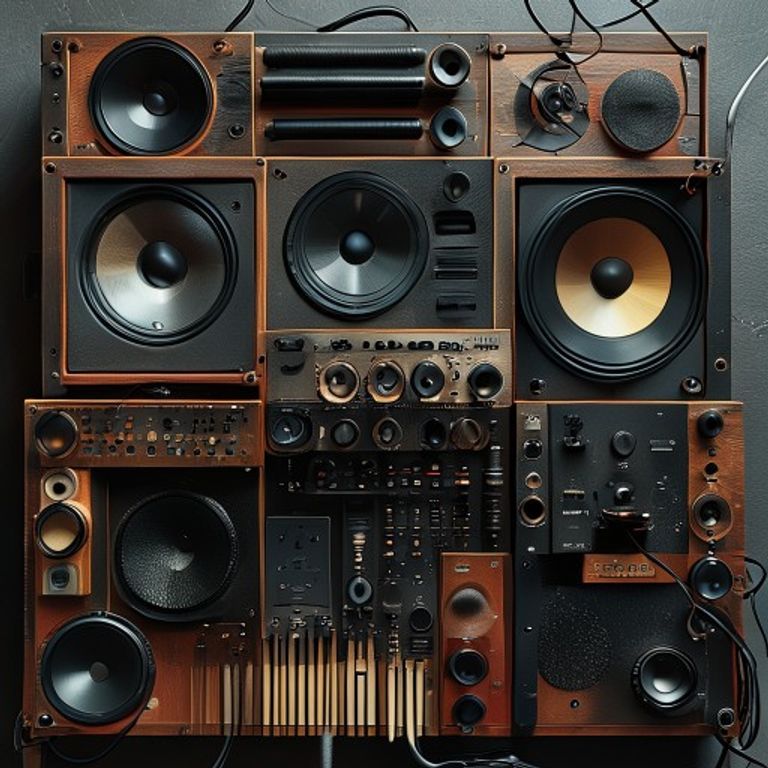
desktop dac
The primary role of a digital-to-analog converter is the reconstruction of an analog waveform from a digital stream. Without a high-quality conversion process, jitter and quantization errors can introduce audible artifacts into the signal path. The Digital-to-Analog Converter serves as the bridge between your computer’s noisy electrical environment and the sensitive analog domain required by headphones.
Comparing Audio Component Roles
To understand why you might need separate units versus an integrated solution, consider the following performance characteristics of each stage in the audio chain.
| Component | Primary Function | Key Metric |
|---|---|---|
| DAC | Signal Conversion | Dynamic Range (dB) |
| Amplifier | Voltage/Current Gain | Output Impedance (Ohms) |
| Combined Unit | All-in-One Processing | Total Harmonic Distortion |
The table above illustrates that while a DAC prioritizes signal integrity and noise floor, an amplifier focuses on power delivery and load management. High-impedance headphones often require significantly higher voltage swings than a standard motherboard output can provide, which is where a dedicated amplifier becomes critical.
Why Separation Matters
Separating these components allows for modular upgrades and minimizes electromagnetic interference. When you integrate a powerful amplifier next to sensitive conversion circuitry, you risk noise coupling. Maintaining a clean signal path is the hallmark of a well-engineered desktop dac setup. By isolating the conversion stage from the power amplification stage, you ensure that the delicate analog signal remains free from the high-frequency switching noise inherent in power delivery systems.
Ultimately, the goal of your audio chain is transparency and accuracy. Whether you choose a compact integrated device or a stack of discrete components, the focus should remain on the electrical requirements of your specific headphones. For more information on how to optimize your desktop audio signal chain.